Custom Jeans vs Off-the-Rack: What $200 Really Gets You in 2026

Custom Jeans vs Off-the-Rack: What $200 Really Gets You in 2026
The denim market has undergone a seismic shift. With premium off-the-rack jeans now routinely exceeding $200 at major retailers, consumers are increasingly questioning what they’re actually paying for. Meanwhile, custom-made jeans have become surprisingly accessible, often competing at the same price point while offering something mass production simply cannot: a garment engineered specifically for your body.
At roughly the same headline price, premium ready-to-wear and custom-made jeans can deliver different kinds of value. The useful comparison is not the label alone, but the fit process, fabric, construction, alteration options and total cost of keeping the garment in regular use.
This comprehensive analysis breaks down exactly what your $200 investment delivers in both scenarios, examining fabric quality, construction methods, fit precision, longevity, and the often-overlooked environmental considerations that increasingly influence purchasing decisions.

Understanding the True Cost Breakdown of Premium Denim
The retail price of off-the-rack jeans covers more than fabric and sewing: it can also include product development, distribution, stores, marketing, returns and the brand’s operating margin. Those allocations vary by company, so price alone does not reveal construction quality.
Custom makers may use a direct-to-consumer or made-to-order model, but that does not automatically make every pair better value. Compare the stated fabric, construction details, measurement process, production location and after-sales terms for the specific maker.
What Premium Off-the-Rack Brands Actually Deliver
Let me be fair to the premium ready-to-wear market: brands like Citizens of Humanity, AG Jeans, and Rag & Bone do offer genuine quality improvements over fast fashion alternatives. You’ll typically receive 11-12 ounce selvedge or high-quality ring-spun denim, reinforced stitching at stress points, and better hardware than budget alternatives.
Premium off-the-rack jeans are still graded from standard patterns. If your waist, hip, rise and thigh proportions differ from that pattern, a higher price may improve fabric and finishing without resolving the underlying fit compromise.
The Custom Advantage at Equivalent Price Points
When you invest $200 in custom jeans, the value equation shifts dramatically. You’re receiving fabric specifically selected for your preferences (weight, stretch content, fade characteristics), construction tailored to your lifestyle (reinforced knees for active wearers, specific rise adjustments for your torso length), and most critically, measurements taken from your actual body rather than a size chart.
The practical difference appears in the fitting method. Ready-to-wear asks the shopper to choose the closest available size, while custom construction uses a set of body and garment preferences to create the pattern. The result depends on the accuracy of those inputs and the maker’s process.
Fabric Quality: Where Your Money Actually Goes
Denim quality in 2026 exists on a broader spectrum than ever before. Japanese selvedge, Italian stretch blends, sustainable organic cottons, and innovative recycled fibres all compete for attention. Understanding what distinguishes genuinely superior fabric from clever marketing requires examining several key factors.
Cotton quality remains the foundation of exceptional denim. Long-staple varieties like Supima (American Pima cotton) and Zimbabwe cotton produce smoother, more durable yarns that develop superior fades over time. Premium off-the-rack brands do use quality cotton, but they’re sourcing at massive scales with consistency requirements that sometimes necessitate blending fibre sources.
The Selvedge Question
Selvedge describes the self-finished edge produced on a shuttle loom; it does not by itself guarantee the quality of the fibre, dye, weight or construction. When comparing selvedge denim options, review the full fabric specification and how the edge is used in the finished garment.
What differs significantly is how that selvedge is utilised. Off-the-rack production prioritises material efficiency, meaning selvedge edges might appear only on outseams. Custom production can incorporate selvedge throughout the garment—including the coin pocket and waistband—because pattern pieces are cut individually rather than stacked for mass cutting.
Stretch and Performance Fabrics
The modern denim landscape includes sophisticated stretch technologies that would have been unthinkable two decades ago. Elastane content ranging from 1-3% dramatically improves comfort and shape retention without compromising the authentic denim aesthetic. Premium brands have adopted these innovations widely, and so have quality custom makers.
The distinction lies in customisation of stretch characteristics. Someone with an athletic build and active lifestyle benefits from different stretch properties than an office worker prioritising all-day seated comfort. Custom production allows this specification; off-the-rack production cannot.
Construction Quality: The Details That Define Longevity
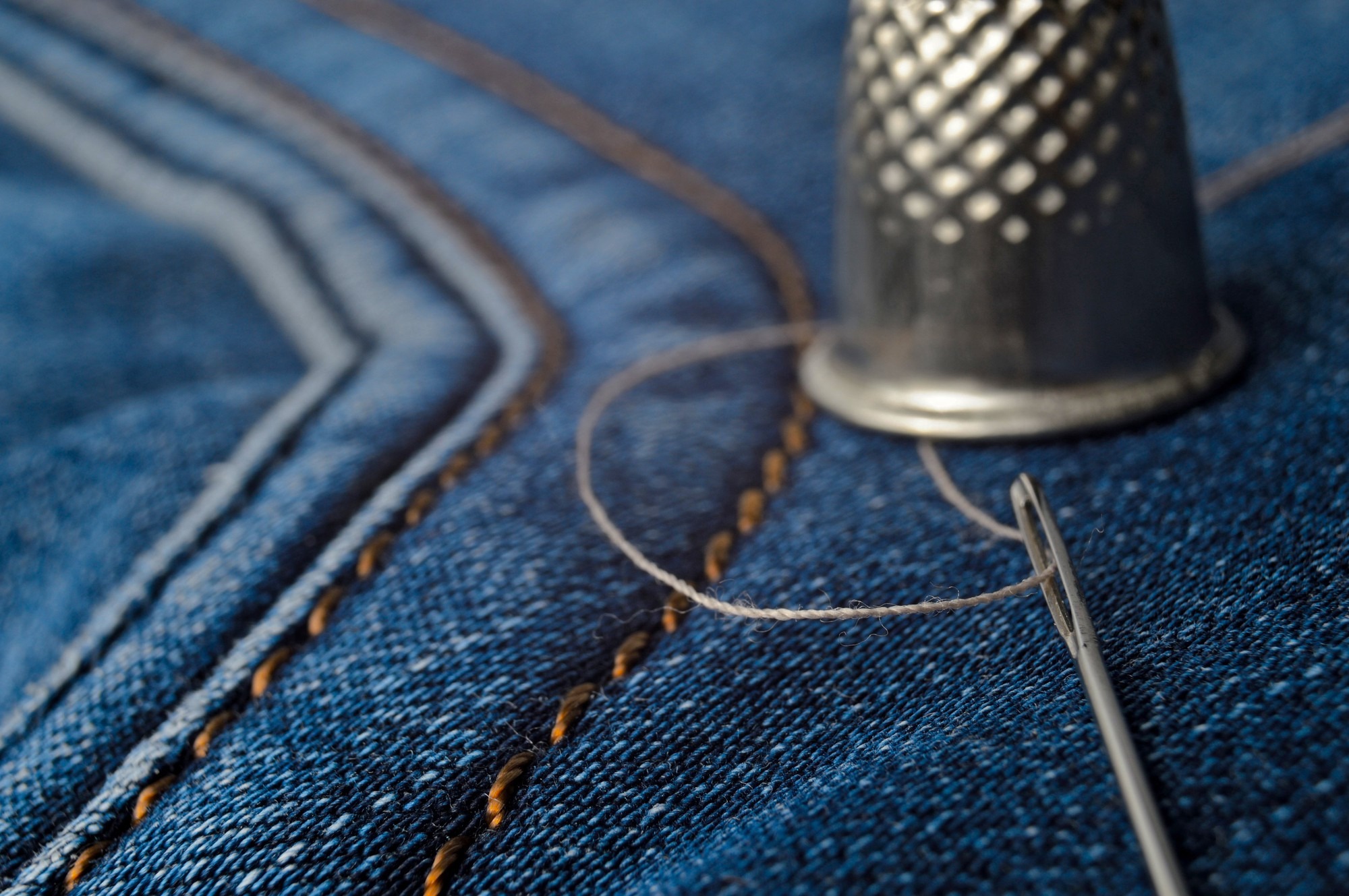
A pair of jeans contains, on average, 35,000 individual stitches. The thread quality, stitch density, and seam construction methods employed determine not just initial appearance but years of wear characteristics. This is where the $200 investment reveals its true nature.
Premium off-the-rack jeans at this price point typically feature chain-stitched hems (the gold standard for authentic hem stacking), bar-tacked stress points, and copper or zinc rivets. These construction elements represent genuine quality improvements over mass-market alternatives and contribute to extended garment life.
Seam Allowances and Structural Integrity
One often-overlooked quality indicator is seam allowance—the fabric between the stitch line and cut edge. Fast fashion typically uses minimal seam allowances to reduce fabric costs, creating garments that cannot be altered and are prone to seam failure. Premium ready-to-wear improves on this, while custom production can specify generous allowances that enable future alterations and provide superior durability.
Garments generally deliver more value when they stay in active use for longer. Durable construction, appropriate fabric, repairable details and enough seam allowance for feasible alterations can all extend the useful life of a pair of jeans.
Hardware and Finishing Details
Buttons, rivets, and zippers might seem minor, but they often determine when jeans exit your wardrobe. YKK zippers (used by quality brands across both categories) represent an industry standard, but button and rivet quality varies considerably. Custom production typically allows hardware selection, meaning you can opt for antique brass, silver-tone, or concealed rivets based on aesthetic preference and lifestyle considerations.
Thread colour matching, pocket bag fabric, and interior finishing further distinguish quality tiers. While premium off-the-rack brands address these elements, custom production can specify exact thread tones, pocket lining materials (cotton versus polyester blends), and finishing details like hidden brand labels or personalised interior elements.
The Fit Revolution: Why Measurements Matter More Than Ever
Standard sizing is necessarily a simplification: it converts many possible body proportions into a limited set of sizes. Shoppers whose waist, hip, seat, thigh or rise measurements do not follow the grading rule are more likely to compromise in at least one area.
Consider what “size 32” actually means across brands: waist measurements can vary by up to three inches, rise by two inches, and thigh circumference by four inches. Consumers have adapted by trying multiple sizes, accepting imperfect fits, or investing in alterations—additional costs that rarely factor into the initial purchase price comparison.
The Custom Measurement Advantage
Custom jeans eliminate sizing entirely in favour of actual body measurements. A comprehensive measurement set includes waist at multiple points, hip circumference, front and back rise, thigh, knee, and leg opening, plus inseam length. More sophisticated systems add seat curve measurements and posture adjustments that ready-to-wear simply cannot accommodate.
Fit affects both comfort and presentation. When the waistband stays in place, the thighs allow movement and the knees fall at the intended position, the wearer can focus less on adjusting the garment throughout the day.
Body Diversity and Inclusivity
Standard sizing inherently excludes bodies that deviate from statistical norms. Athletic builds, longer torsos, significant waist-to-hip differentials, and asymmetrical measurements all present challenges that off-the-rack production struggles to address. Custom production treats these variations as specifications rather than problems.
Shoppers whose proportions do not match a standard pattern may also need alterations, and not every alteration is feasible after construction. Compare the garment price plus likely adjustment costs with custom-fit solutions that address those measurements before cutting.
Environmental Considerations in 2026
Denim has impacts across fibre production, dyeing, garment manufacturing, transport and washing. When comparing options, consider material information, construction, care requirements, repairability and expected frequency of wear rather than relying on a single sustainability claim.
Off-the-rack production, even at the premium tier, involves overproduction as a fundamental business model. Brands manufacture more units than they expect to sell, accepting that unsold inventory will be discounted, donated, or ultimately destroyed. The Ellen MacArthur Foundation estimates that the equivalent of one garbage truck of textiles is landfilled or burned every second globally.
Made-to-Order Sustainability
Custom jeans operate on a made-to-order model that eliminates overproduction entirely. Every garment manufactured has a specific customer waiting for it, meaning zero waste from unsold inventory. This fundamental operational difference represents one of the most significant sustainability advantages custom production offers.
Additionally, the extended lifespan of well-fitted, high-quality garments reduces replacement frequency. If premium off-the-rack jeans last three to four years with regular wear, while custom jeans last five to seven years (owing to superior fit reducing stress on seams and fabric), the environmental calculation favours custom production significantly.
Transparency and Traceability
Smaller custom operations typically offer greater transparency regarding fabric sourcing, manufacturing locations, and labour practices. While premium brands have improved disclosure in recent years, complex global supply chains make complete traceability challenging. Custom makers working with specific mills can often provide documentation of fabric origin, certification status (GOTS, OEKO-TEX), and production methodology.

Making the Right Choice for Your Lifestyle
The custom versus off-the-rack decision ultimately depends on individual circumstances, priorities, and how you interact with your wardrobe. Both options can deliver genuine value at the $200 price point—but they deliver different kinds of value.
Off-the-rack makes sense if you fit standard sizing well, prefer immediate gratification, and value brand recognition. The instant availability of premium ready-to-wear allows you to try before buying and walk out with your purchase the same day. For consumers who genuinely fit a brand’s sizing well, this convenience has real value.
When Custom Becomes the Clear Choice
Custom jeans become compelling when you’ve experienced fit frustration—waist gaps, thigh constraints, rise issues—that even premium brands fail to resolve. They make particular sense for consumers who value garment longevity, prefer unique rather than ubiquitous style, and appreciate knowing exactly what they’re paying for.
The custom jeans ordering process usually includes body or garment measurements, fit preferences, fabric and styling choices, followed by a measurement review. First-time buyers should follow each landmark carefully and clarify unusual proportions before production.
The Hybrid Approach
Many discerning denim enthusiasts adopt a hybrid strategy: off-the-rack for trend-driven pieces they’ll wear seasonally, and custom for wardrobe foundation pieces intended for years of service. A core rotation of two to three perfectly fitted custom jeans, supplemented by occasional ready-to-wear purchases, balances value, variety, and practicality.
This approach also provides comparison opportunity. After experiencing custom fit, many consumers find returning to standard sizing frustrating—which either confirms the custom investment or reveals that ready-to-wear serves them adequately.
Frequently Asked Questions
How long does it take to receive custom jeans compared to buying off-the-rack?
Custom jeans typically require two to four weeks for production and delivery, compared to immediate availability for off-the-rack purchases. However, this timeline includes individual pattern creation, fabric cutting, and construction specifically for your measurements. Many customers find that planning ahead for this timeline becomes natural after their first order, and the fit improvement justifies the wait.
What happens if my custom jeans don’t fit correctly?
Alteration, return and remake terms vary by maker. Before ordering, read the current policy carefully and confirm how measurement errors, production tolerances, shipping costs and time limits are handled. A clear pre-production measurement review can reduce avoidable fit problems.
Can I customise style details beyond fit when ordering custom jeans?
Available details vary by maker, but may include pocket placement, thread colour, fly type and hem finish. Review the current style customisation options before ordering and prioritise choices that suit how you will wear the jeans.
Are custom jeans worth it if I’m between standard sizes?
This scenario is precisely where custom jeans deliver maximum value. If you consistently find yourself between sizes—the smaller too tight, the larger requiring alterations—you’re experiencing exactly the limitation custom production solves. The cost of repeated alterations on off-the-rack purchases often exceeds the incremental investment in made-to-measure from the outset.
How does denim quality in custom jeans compare to premium brands like Levi’s Made & Crafted or APC?
At equivalent price points, custom makers can typically offer comparable or superior fabric quality because less of your payment goes to marketing and retail overhead. Many custom operations source from the same premium mills (Kurabo, Kaihara, Candiani) as prestigious ready-to-wear brands. The difference lies not in fabric availability but in how that fabric is utilised—custom cutting maximises quality characteristics while fitted construction reduces stress wear.
Do custom jeans hold their value for resale?
Custom jeans generally don’t command resale premiums since they’re made to individual specifications. However, this comparison misses the point: custom jeans are designed for extended personal wear rather than resale, and their superior fit typically means owners keep them longer. The value proposition is use-value rather than exchange-value, measured in years of comfortable wear rather than potential secondhand market prices.
Conclusion: Investing in What Actually Matters
The $200 denim investment has never offered more options or more genuine quality at either end of the production spectrum. Premium off-the-rack brands have elevated their materials and construction significantly, while custom production has become accessible and sophisticated enough to compete directly on price.
The difference comes down to where you want your money to go. Off-the-rack purchases fund brand development, retail experiences, and mass-market design—with genuine quality as part of a larger package. Custom purchases concentrate investment into materials, craftsmanship, and fit precision—creating garments designed specifically for you.
For consumers who have settled for “good enough” fit from expensive jeans, 2026 presents an opportunity to reconsider. The custom market has matured, processes have streamlined, and the value proposition has clarified. Your $200 can now buy either a prestigious label or a perfect fit. Increasingly, discerning consumers are choosing the latter.
About the Author
Editorial note: Prices, policies and product specifications can change. Confirm current details with the seller before ordering.
Written by
Daniel Lockhart
From a deep-seated enthusiasm for denim, Daniel Lockhart transformed his passion into a professional calling. He is now a recognised denim expert, renowned for his intricate crafting skills and innovative approach to fashion design within the denim sphere. Daniel's work reflects years of hands-on experience and a profound commitment to pushing the boundaries of what's possible with this iconic fabric.
View all posts by Daniel Lockhart →