What Can and Can’t Be Altered in Tailored Jeans: Know Before You Cut
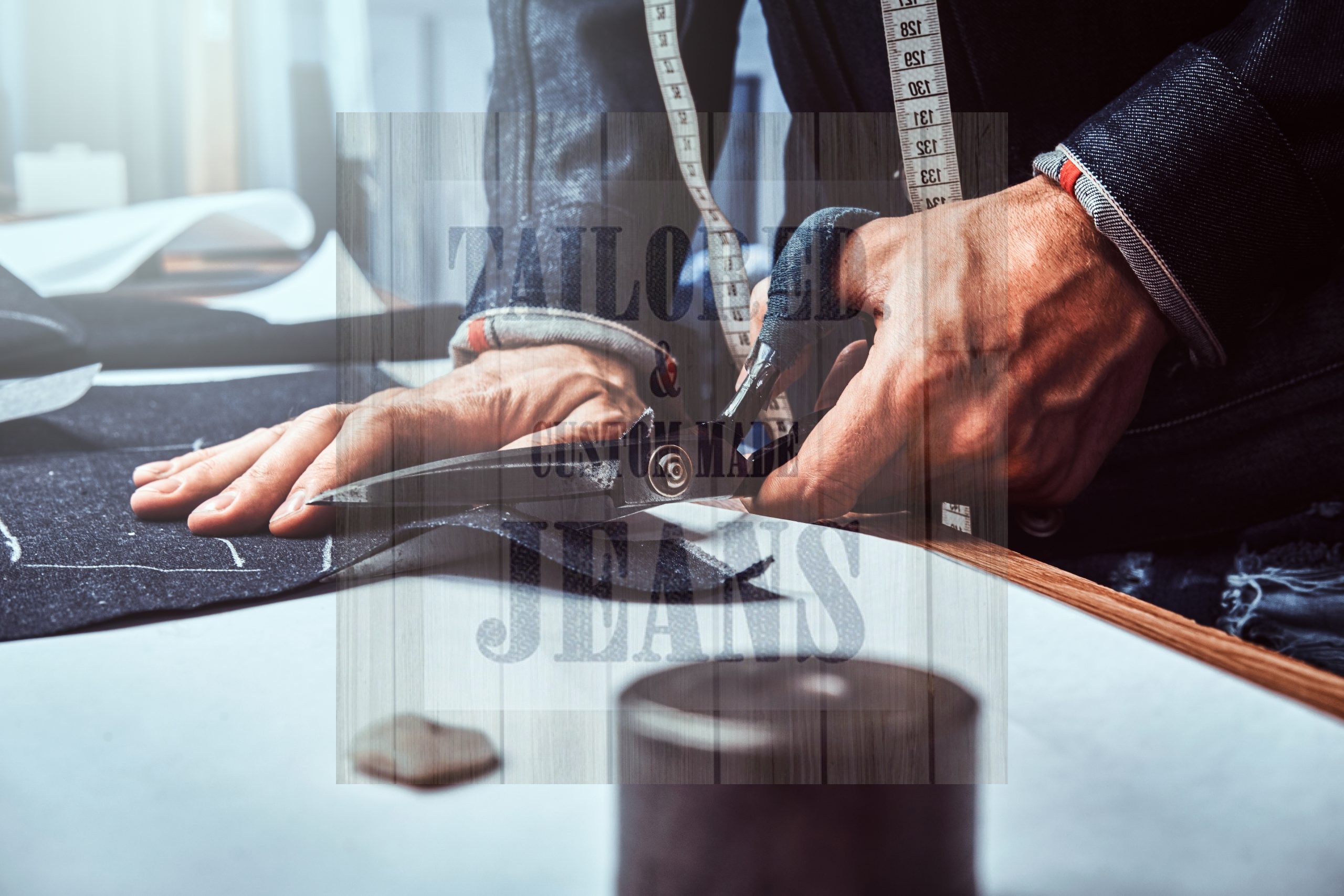
Whether you’ve outgrown your favorite denim or bought a pair that fits almost perfectly, the right tailor can help but not everything in a jean is adjustable. So before you book an alteration, let’s break down what changes are possible and which ones aren’t worth the needlework.
What CAN Be Altered in Your Jeans
1. Waistband Adjustments (Within Limits)
A tailor can usually take in or let out your waistband by 1–2 inches. Anything more can distort the pockets and rear placement.
Pro tip: If your waist is too small and you love the rest of the fit, go for it. Otherwise, a custom pair is a better solution.
2. Hemming the Length
The most common (and safest) alteration. Whether it’s a raw hem or folded cuff, adjusting your inseam to the perfect break point is easy and clean.
Keep in mind: Always wash your jeans once before hemming to avoid post-alteration shrinkage.
3. Tapering the Legs
Tailors can taper jeans below the knee to slim the silhouette. This is great for transforming a straight leg into something closer to a slim or skinny fit.
Make sure: The taper complements your overall body shape and doesn’t pinch at the ankle.
4. Shortening the Rise (Sometimes)
Some tailors may adjust the rise slightly, but this is a tricky job and isn’t suitable for major changes. It involves altering the crotch area and can compromise comfort and structure.
What CANNOT (or Should Not) Be Altered
1. Increasing the Rise
Unlike shortening, adding rise is nearly impossible. There’s just not enough fabric between the waistband and crotch to make it happen.
If rise comfort is a problem, opt for made-to-measure jeans instead.
2. Expanding Overall Fit
Tailors can’t add room where no fabric exists. If your thighs, hips, or seat feel too tight, there’s not much that can be done without distorting the jean’s shape.
3. Moving Pockets
Pocket placements are fixed during construction. Trying to reposition them can cause stitching damage and throw off the garment’s symmetry.
4. Major Fit Transformations
Trying to turn a relaxed fit into a skinny cut across the entire leg? It’s possible in theory but rarely looks good in practice.
When to Alter vs. When to Go Custom
| Alter the Jeans | Go Custom |
|---|---|
| Small waist tweaks | Significant sizing changes |
| Hemming length | Need unique rise/thigh/hip fit |
| Minor leg tapering | Want to design your own cut |
| Sentimental pair | Daily wear go-to jeans |
If you love a particular pair of jeans and just need a few tweaks go for tailoring.
But if you’re tired of compromising, custom jeans from Tailored-Jeans are designed from the ground up for your body.
FAQs About Tailoring Denim Jeans
Can tailors make jeans looser?
Only slightly at the waistband there’s rarely extra fabric to let out throughout the leg or hips.
Can I taper stretch jeans?
Yes, but the fabric’s elasticity needs to be factored in too much taper may cause the fit to pull or twist.
What’s the average cost of tailoring jeans?
Hemming costs about $10–$20. Waist and taper adjustments may cost $30–$50 depending on complexity.
Final Thoughts – Know Your Limits, Or Design Without Them
Tailoring is a great option within limits. If your jeans are “almost right,” a tailor can help. But if you’re constantly adjusting off-the-rack pairs or struggling with inconsistent sizing, it’s time to start fresh.
That’s where Tailored-Jeans.com comes in.
Design your perfect pair with fabric, cut, rise, and style chosen by you, not forced on you.
Tired of adjusting off-the-rack jeans?
Design jeans that need no tailoring – because they’re made for you.
For the next step, explore our fit guide.
Written by
Ulrich Pressler
Denim Engineer, Designer, and Golfer Ulrich Pressler brings a unique background to the world of denim. His parents came to the USA from Germany after WWII. With a degree in Textile Engineering, Ulrich spent 20 years working in fabric development for well-known denim brands. This gave him a deep understanding of how denim is made and the technology behind it. Later, Ulrich started designing custom-made denim clothes, putting his detailed knowledge into personalized pieces. Now, he shares his experience by writing for denim fashion blogs, focusing on new fabric ideas and weaving methods. When he's not busy with denim, Ulrich is a passionate golfer.
View all posts by Ulrich Pressler →