Japanese and american denim. the comparison of heritage.
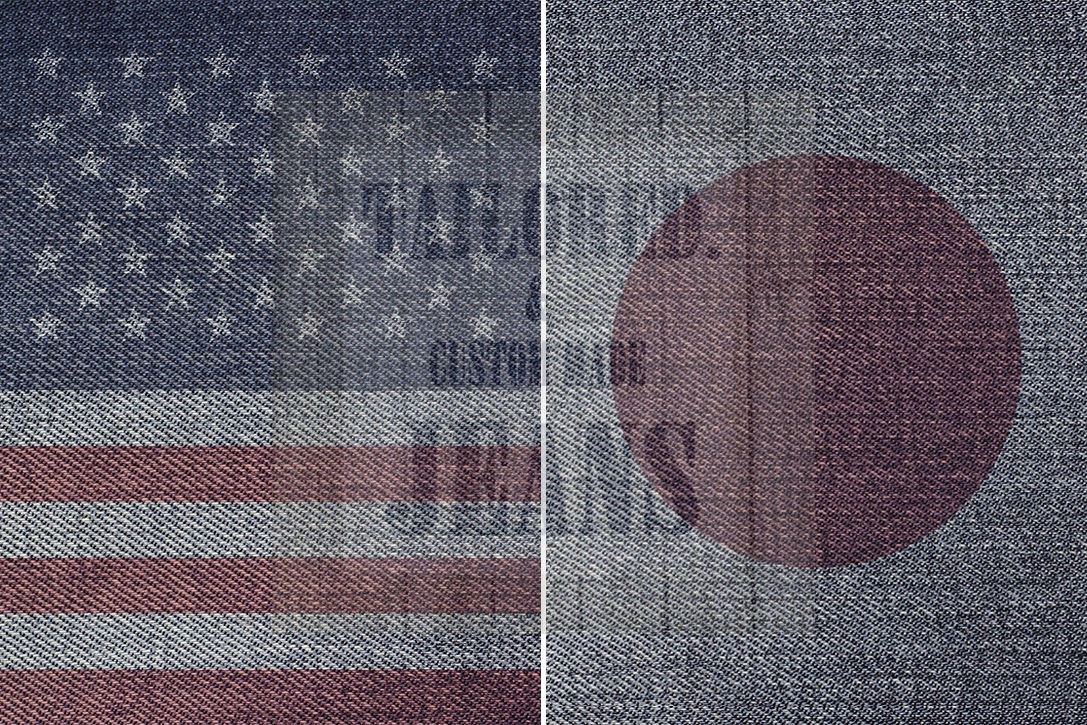
The worldwide luxury denim market continued to blossom in search of the perfect couple. The Japan Blue Group, based in Kojima, was renowned for its premium denim in Japan and was soon to be sold to Louis Vuitton and Gucci as the world’s largest luxury brands. Soon a line of Japanese jeans is designed for each fashion home in the world. In order not to cover one’s own love and respect for denim, Japan Blue created “Momotaro Denim.”
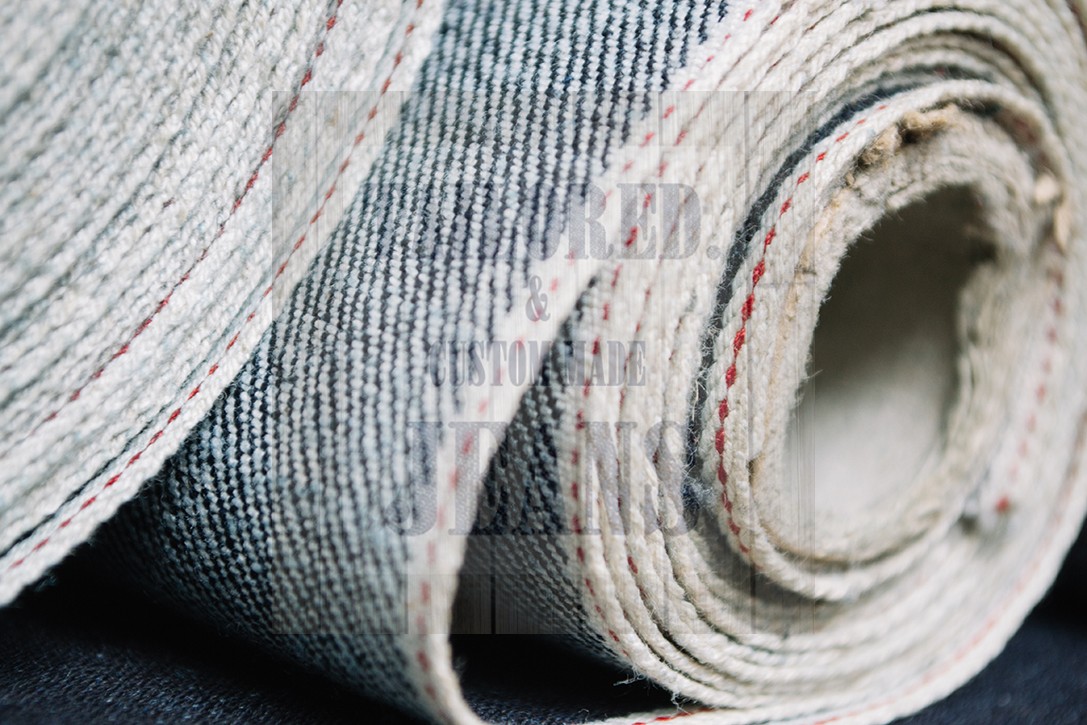
The vast majority of the Denim manufactured in the US come from the same source, namely the Cone Mills plant in North Carolina, given the small number of mills manufacturing the product in the US. This is why in American denim the fade patterns are similar and more compatible. People looking for better color, texture, and fades than uniform American denim may be searching for other sources although certain people prefer the traditional look of American denim.
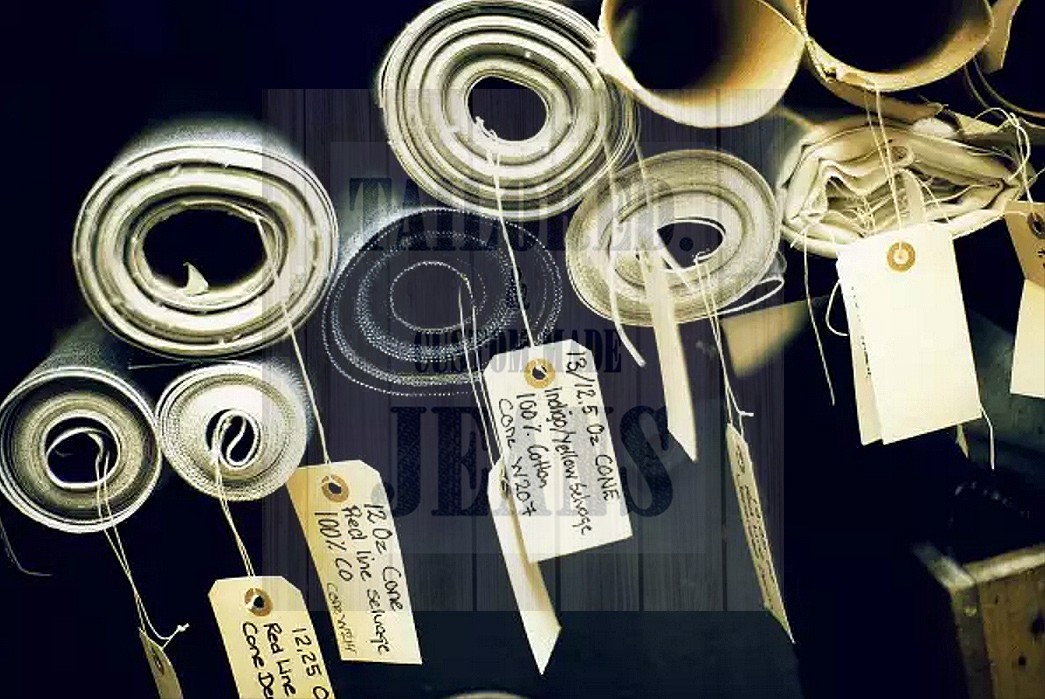
Here is the redemption of Japanese denim! When compared to their American equivalent, Japanese denim factories are more creative in their production and are trying to explore different ways to produce a range of colors, designs, and textures
Hue:
Japanese denim:
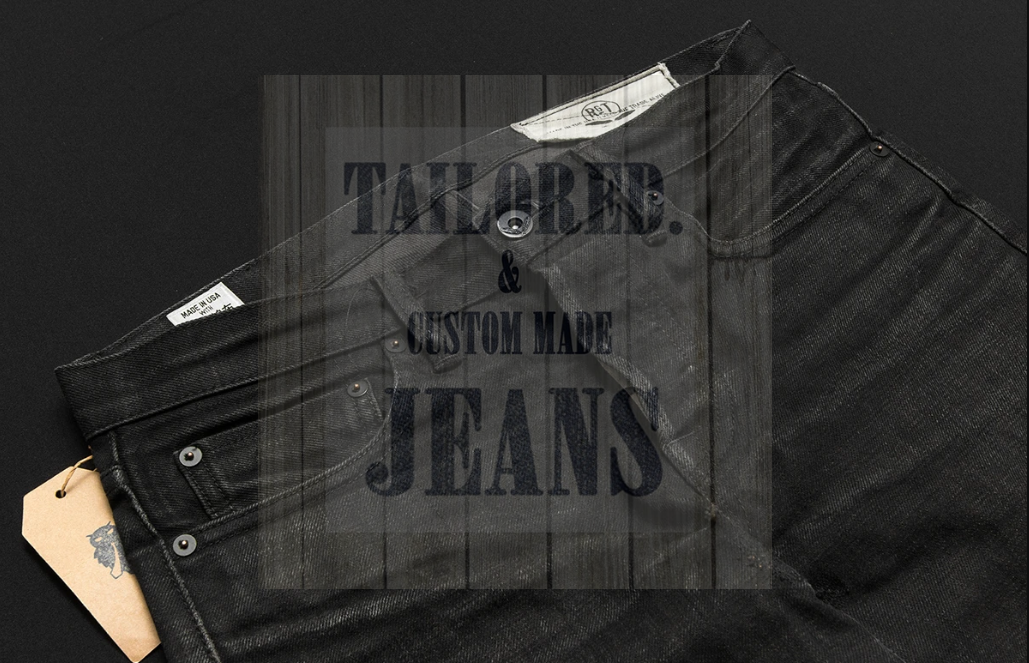
Japan experimented long before the advent of denim with silk dyeing. Their long silk teething history dates back hundreds of years ago to the development of kimonos. Most Japanese denim mills appear to play with their colors in such a way that they produce creative specifics such as indigo warp / black woven wool and natural persimmon thymes.
American denim:
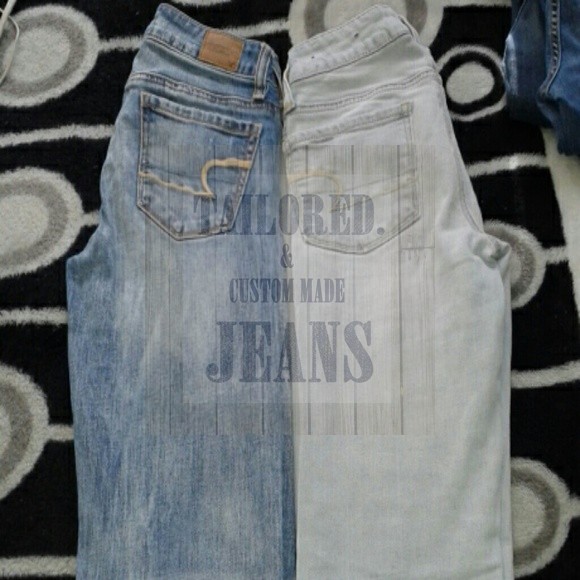
The depravity in American denim is even more common and gives these jeans a retro color and look. The blue hues that emerge from a well-worn pair of US denim can easily be seen from their classical fading pattern, compared with Japanese denim (this also depends of course on the duration of the denim washing!). In American denim, indigo dye is normally natural rather than synthetic and creates a steady fading of quality which contributes over time to its classic look.
Texture:
Japanese:
On the other side, Japanese denim is manufactured at Toyoda looms and leads to casual and standard textures. Japanese denim is often harder than jeans because they are loomstates or, totally odd from the loom, you might find somewhere else. It was not flinched, cleaned or Merced. It’s just denim. The stiffness that often occurs in this denim will be uncomfortable but will conform to your skin and improve with each wear.
American:
The denim that uses the Cone White Oak fabrics is relatively consistent with their looks and feel because of the dominance in America of the Cone mills factory. Denim manufactured by Cone Mills is crafted using the American Draper x3’s wine shuttle looms from the 1940s. Denim made from Draper x3s typically has smoother and softer covers than Japanese denim. This character is sometimes associated with the bounce in the hardwood floors of the White Oak machinery, although many still consider.
Weight:
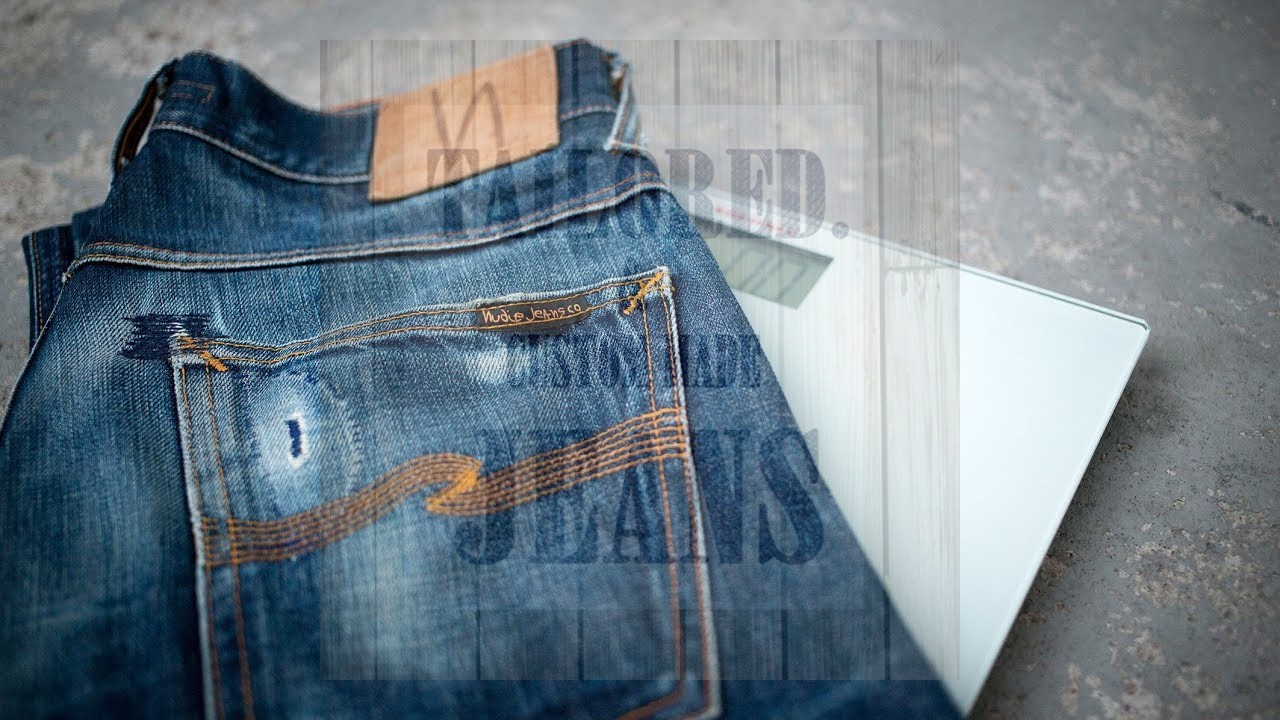
The kind of fabric weights evolved by their denim mills is another important element of Japanese denim. The bulk of Denim 20 oz supplies Japanese mills with lots of lightweight denim. Or there’s more coming from Japan. Japanese denim has a wider range of options for various denim tastes. The highest level of American denim is about 14 oz in contrast.
So let us know in the comments that which one would you prefer.
Written by
Verna Bradford
Verna Bradford is a passionate Writer and Denim Expert, with 12 years dedicated to unraveling the threads of fashion and denim. Her extensive experience allows her to navigate the complex narratives of style, sustainability, and craftsmanship, delivering compelling content that resonates with a discerning audience. Verna's work champions the artistry behind every stitch, helping readers appreciate the true value of quality denim.
View all posts by Verna Bradford →